“We garden on our knees”: Kew Theology & Gardening project explores faith, nature and climate
Where Faith Meets Nature: A New Spiritual Journey Through Gardening and Creation
Exploring Christianity Through Plants, Gardens and the Environment
Gardens have played an important role in Christian tradition for centuries. From the biblical story of Eden to the events associated with Gethsemane, nature and cultivated landscapes frequently appear alongside some of Christianity’s most significant stories.
In west London, a local Anglican church is bringing this long-standing connection between faith and nature into a modern conversation about environmental responsibility.
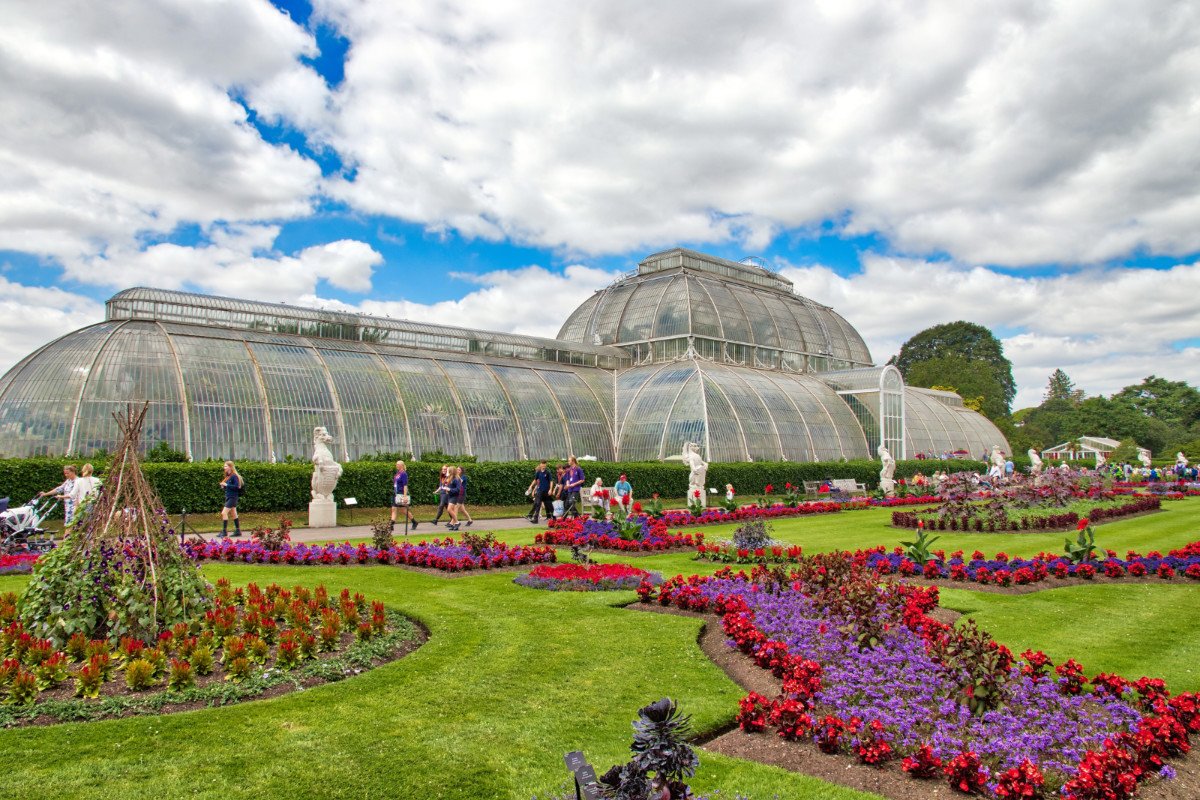
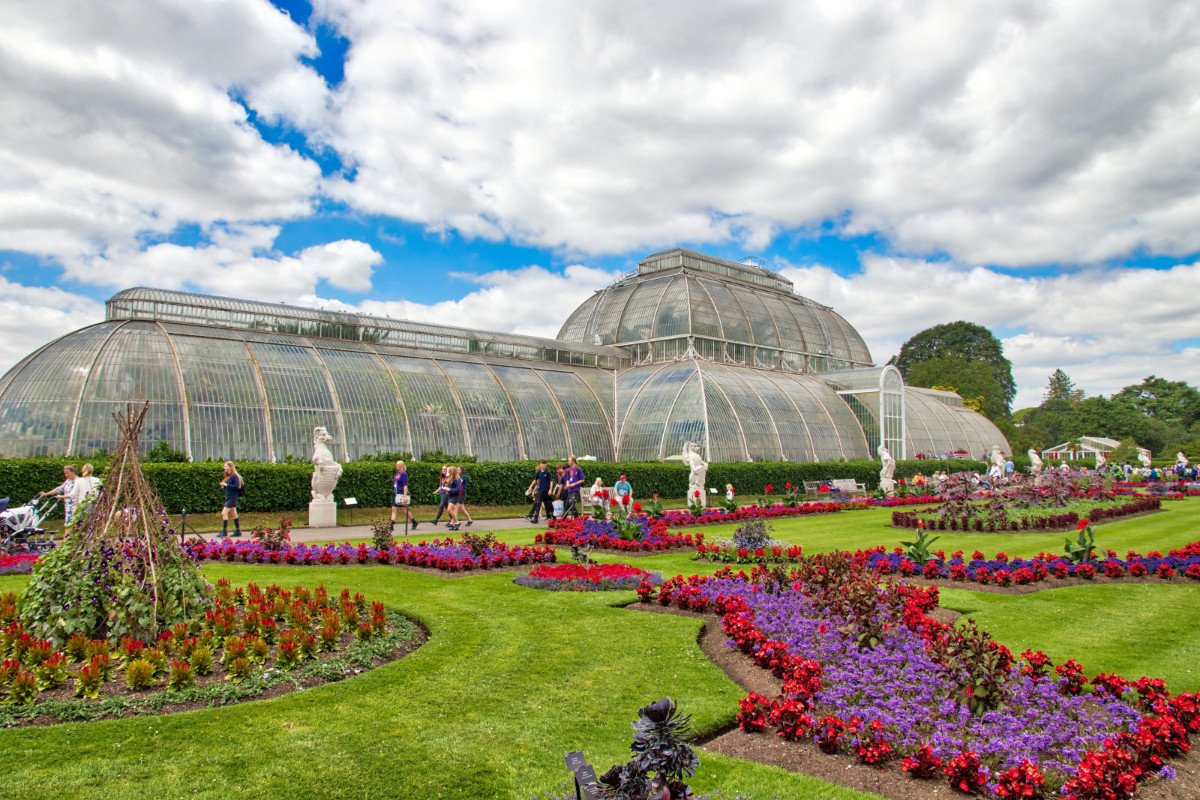
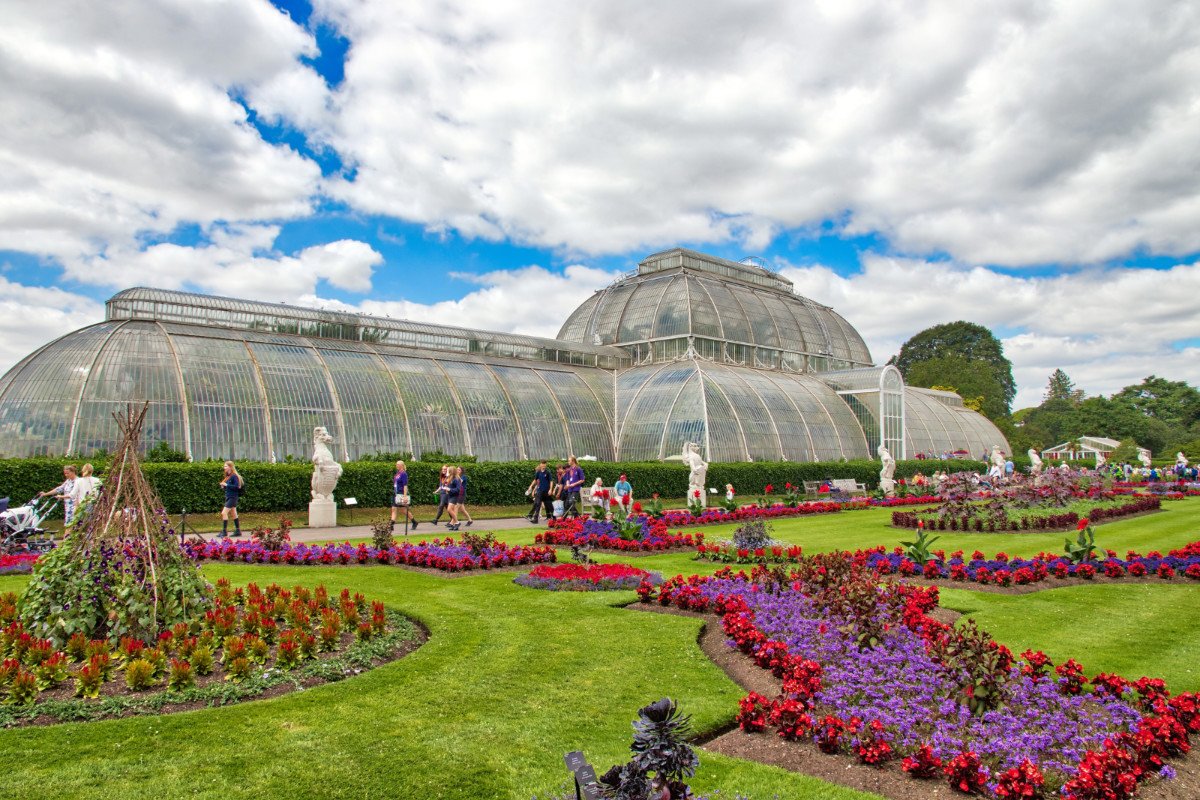
St Anne’s Church, located close to the world-famous Kew Gardens, has developed a project called Kew Theology & Gardening. The initiative aims to encourage people to think more deeply about the natural world while exploring Christian theology, gardening and contemporary environmental challenges.
The initiative began in 2024 with a relatively small programme of talks for people in the local community. Since then, it has developed into a wider series of activities, including retreats that combine time at Kew Gardens with sessions at St Anne’s Church.
The project is now expanding its educational programme with lectures featuring academics and environmental specialists.
One upcoming event will feature Carmody Grey, a professor of integral ecology at Radboud University in the Netherlands and visiting professor at the London School of Economics. Her lecture, titled “What Are We Here For? Gardening and the Human Vocation,” is scheduled to take place at Kew in September.
Other speakers connected with the programme have included senior figures from Kew and environmental researchers with academic backgrounds.
For Giles Fraser, the vicar of St Anne’s, gardening provides a natural meeting point between faith and everyday life.
Gardening is one of the activities through which people physically interact with soil, plants and the changing seasons. From a Christian perspective, this can become an opportunity to consider humanity’s relationship with creation.
The project also reflects the church’s desire to build a stronger relationship with its famous neighbour. Kew Gardens is internationally recognised for botanical research, conservation and scientific work, making it a natural partner for conversations about environmental responsibility.
Through this connection, participants are encouraged to consider both the beauty of creation and the challenges facing the planet, including climate change.
Christianity and Environmental Responsibility
The project arrives as environmental issues are receiving greater attention within the Church of England.
The denomination has increasingly encouraged churches and communities to consider environmental stewardship as part of Christian responsibility. Its recent theological work on creation emphasises that caring for the natural world should be connected with Christian faith rather than treated as an unrelated social issue.
The broader message is that environmental responsibility can involve practical action, compassion for communities affected by environmental problems and a willingness to think about humanity's responsibility toward the world around us.
The Church of England has also supported the idea of an annual celebration focused on creation, giving churches another opportunity to connect worship with gratitude for the natural world and reflection on environmental responsibility.
The Importance of Plants
Carmody Grey has also highlighted an interesting aspect of how people view nature: humans often notice animals more readily than plants.
When people look at a photograph of a natural landscape, they may identify animals as signs of life while overlooking the vegetation that makes up much of the environment.
From a theological perspective, however, plants have an important place in biblical imagery. Trees, seeds, gardens, fruit and growing things appear repeatedly throughout Scripture.
Gardening therefore provides an accessible way to explore ideas about life, growth, responsibility, beauty and human purpose.
A Walk Inspired by the Stations of the Cross
One of the most distinctive features of Kew Theology & Gardening is a guided experience known as Stations of the Trees.
The idea draws inspiration from the Christian tradition of the Stations of the Cross. Instead of moving between traditional scenes associated with Christ's Passion, participants move through different parts of the gardens and reflect on environmental themes.
Different locations provide opportunities to consider subjects such as carbon, conservation and seed collection. Biblical stories and Christian prayers are incorporated into the experience, creating a connection between familiar religious traditions and modern environmental concerns.
The programme also includes olive trees, which can evoke the biblical setting of Gethsemane and encourage visitors to reflect on themes such as responsibility, awareness and human choices.
Turning Reflection Into Action
The organisers hope that the project will do more than simply provide interesting talks or peaceful walks.
The intention is to encourage people to see environmental responsibility as something connected to everyday life. Gardening, planting, conservation and caring for natural spaces can all become practical expressions of a person's values.
Climate change can often feel like an enormous and distant problem. Projects that connect environmental questions with familiar places and personal experiences may help make those issues easier to understand.
A Historic Connection Between Kew and St Anne's
The relationship between Kew Gardens and St Anne's Church is not entirely new.
Both have historical links to the British royal presence at Kew. The gardens developed significantly during the eighteenth century, while St Anne's Church was also expanded during that period.
The two locations have continued to share connections through local history. Several figures associated with botanical research have links to the church, adding another layer of historical significance to the modern partnership.
Looking at Creation in a New Way
Kew Theology & Gardening demonstrates how traditional religious ideas can be brought into conversation with contemporary environmental questions.
Gardens can be places of beauty, scientific study, recreation and reflection. For people of faith, they can also become spaces for considering humanity's relationship with creation.
By bringing together gardening, theology, science and environmental awareness, the project offers a different way to think about familiar Christian themes while encouraging people to pay closer attention to the natural world around them.
At a time when environmental challenges are becoming increasingly difficult to ignore, initiatives like this suggest that caring for creation can begin with something as simple—and as meaningful—as spending time among plants.